
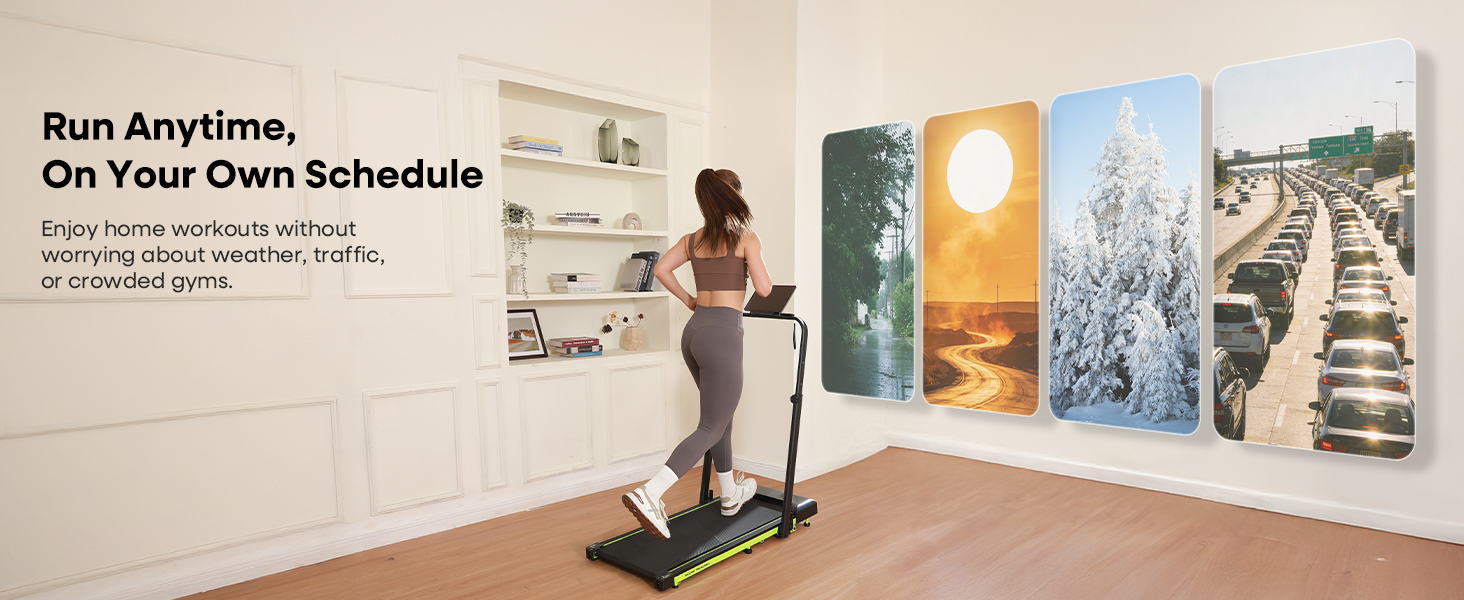
For many people, losing weight feels like an endless challenge. Not everyone enjoys intense workouts or spending hours at the gym. In fact, a lot of us prefer simple, low-pressure activities — and walking is one of the easiest options.
You might even wonder: If walking feels so easy, can it actually help with weight loss? The answer is yes — but only if you understand how it works.
Weight Loss = Calories In vs. Calories Out
At its core, weight loss depends on a balance between:
-
Calories you consume through food
-
Calories you burn through daily activity
Diet alone without movement rarely delivers lasting results. Likewise, exercise without mindful eating often won’t lead to meaningful fat loss.
Walking fits perfectly in the middle — it’s a sustainable way to increase daily calorie burn without overwhelming your body.
How Long Should You Walk to Lose Weight?
Research consistently shows that short, slow walks are great for general health, but they may not be enough for noticeable fat loss.
For example:
-
A slow 15-minute walk burns very few calories
-
A casual 30-minute stroll still has limited fat-burning effect
However, once you increase duration and intensity, walking becomes much more effective.
What Studies Suggest
Fitness research indicates:
-
Moderate walking for 30 minutes burns a moderate number of calories
-
Brisk walking for 30–45 minutes can significantly boost fat burning
-
Longer sessions increase metabolic activity even after you stop walking
Key takeaway: the faster and longer you walk, the more calories you burn.
Walking Speed Matters More Than You Think
Many people underestimate the importance of pace.
For weight loss:
-
Aim for brisk walking, not casual strolling
-
Maintain a steady pace that raises your heart rate
-
You should feel slightly breathless but still able to talk
A good guideline is:
👉 Walk fast enough to cover about 5–6 km per hour.
Walking at this speed for 30–45 minutes per session can noticeably improve fat-burning efficiency.
Best Timing for Walking
Timing can also influence results.
Experts often recommend:
-
Walking 1.5–2 hours after meals
-
Choosing consistent daily time slots
-
Avoiding extremely late-night workouts
Consistency matters more than perfect timing.
How Far Should You Walk?
For effective weight loss:
-
Beginners: start with 2–3 km per session
-
Intermediate: gradually increase to 5–8 km
-
Advanced walkers: aim for 8–10 km per session
Increasing distance slowly helps prevent injuries and improves endurance.
Why Daily Walking Works So Well
Walking is one of the most sustainable forms of exercise because it is:
-
Low-impact and safe for most people
-
Easy to integrate into daily life
-
Stress-reducing and mood-boosting
-
Gentle on joints compared to running
Most importantly — it’s easy to stick with.
And consistency is the real secret to weight loss.
How Long Until You See Results?
If you walk:
-
30–45 minutes daily
-
At a brisk pace
-
Combined with balanced eating
You may start noticing changes in 2–3 months, including:
-
Gradual fat loss
-
Improved stamina
-
Better sleep and mood
-
Increased energy levels
Final Thoughts
Walking may seem simple, but that’s exactly why it works. It doesn’t require special skills, expensive equipment, or extreme effort.
When done consistently and at the right intensity, walking can become one of the most effective and sustainable ways to lose weight.
Remember:
👉 Walk faster
👉 Walk longer
👉 Walk regularly
Over time, small steps truly lead to big changes.